
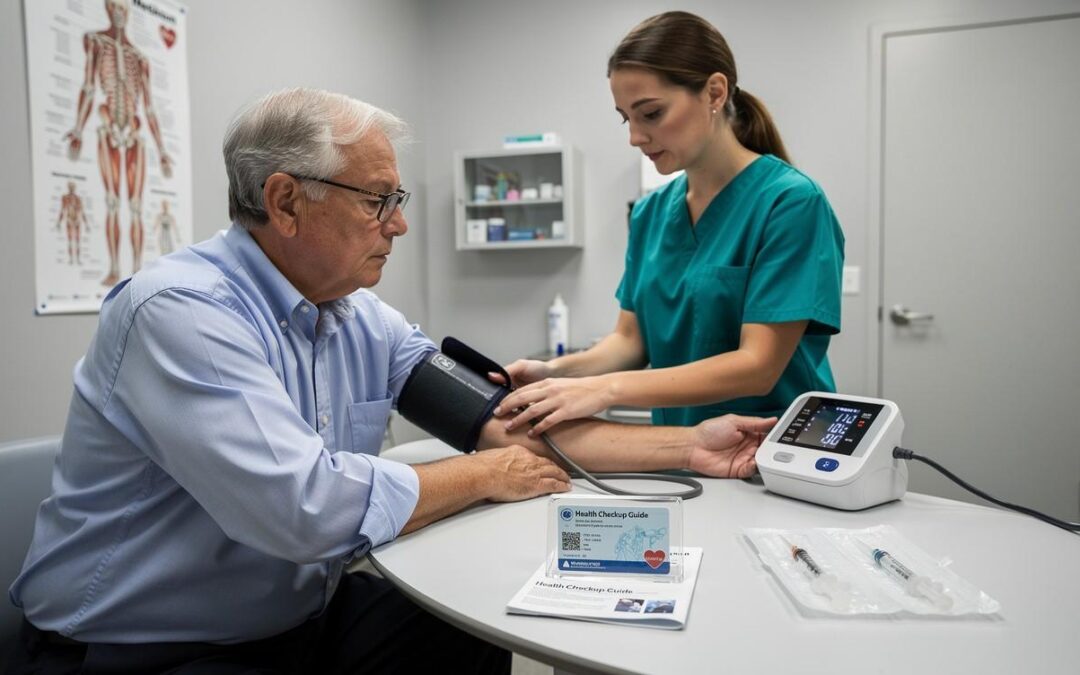
Medicare preventive care is one of the best benefits available to seniors, yet many people don’t take full advantage of it. At Dave Silver Insurance, we’ve seen firsthand how preventive services can catch health issues early and save you money in the long run.
The good news is that Medicare covers a wide range of preventive services at no cost to you. In this guide, we’ll walk you through exactly what’s available and how to make the most of your benefits.
What Does Medicare Part B Actually Cover for Free
Medicare Part B covers far more preventive services than most seniors realize, and you pay nothing when you see a provider who accepts Medicare assignment. According to the Centers for Medicare and Medicaid Services, Medicare covers more than 70 preventive services at no cost, guided by recommendations from the U.S. Preventive Services Task Force. The key word here is preventive-these services apply to people without symptoms. If your doctor finds something abnormal during a preventive visit and performs additional tests or treatment, those related services may carry costs you’ll owe out of pocket.
Vaccines That Medicare Covers Without Cost
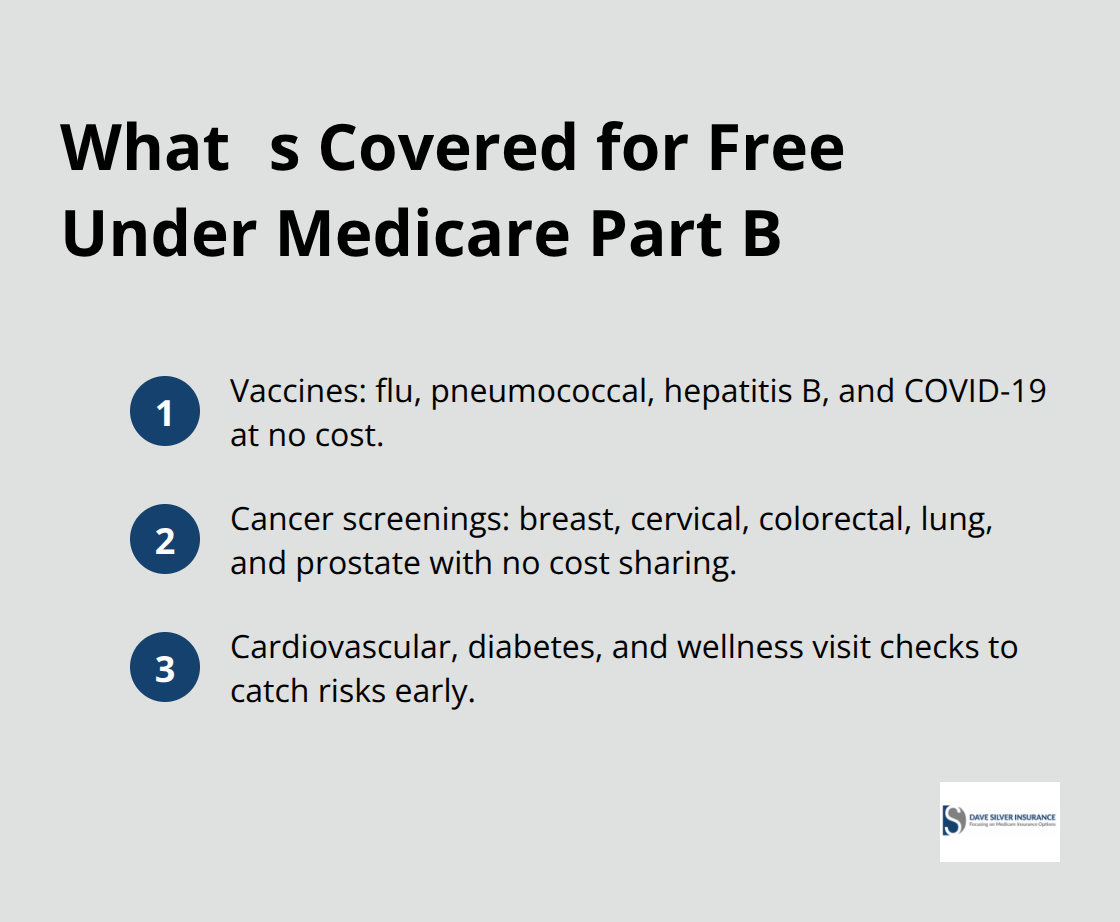
Medicare Part B covers flu, pneumococcal, hepatitis B, and COVID-19 vaccines at no cost to you. The flu vaccine applies annually for everyone on Medicare, while pneumococcal vaccines protect against serious pneumonia and typically apply once or twice depending on your age and health history. Many seniors skip these vaccines thinking they’ll pay for them, but that’s a mistake. If you’re 65 or older, these vaccines are completely free under Medicare Part B. The CDC notes that chronic diseases are highly prevalent among older adults and are the leading drivers of healthcare costs, which is exactly why preventive vaccines matter so much. Schedule your vaccines during your Annual Wellness Visit or at any time during the year at your doctor’s office or local pharmacy.
Cancer Screenings You Should Know About
Medicare Part B covers cancer screenings for breast, cervical, colorectal, lung, and prostate cancer, with no cost sharing. Breast cancer screening through mammograms applies annually for women 40 and older, while cervical cancer screenings apply every three years for women under 65 with a cervix. Colorectal cancer screening applies for adults 50 and older through various methods including colonoscopy, which Medicare covers once every 10 years. Lung cancer screening applies for adults 50 to 80 with a 20 pack-year smoking history. These screenings catch cancer early when treatment is most effective and less expensive. The frequency depends on the test type, your age, and your risk factors, so ask your doctor which screenings you’re due for.
Heart and Diabetes Services at No Cost
Cardiovascular screenings under Medicare include an abdominal aortic aneurysm ultrasound for men 65 to 75 who have ever smoked, plus electrocardiograms and blood pressure checks as part of your wellness visit. Diabetes screenings apply to anyone at risk, and if you have diabetes, Medicare covers blood glucose tests and access to diabetes self-management resources. The Welcome to Medicare visit (a one-time appointment within your first 12 months of Part B enrollment) includes a vision check and measurements that establish your baseline health. These services exist specifically to identify problems before they become expensive health crises. Schedule these screenings proactively rather than waiting for symptoms to appear.
What Triggers Out-of-Pocket Costs
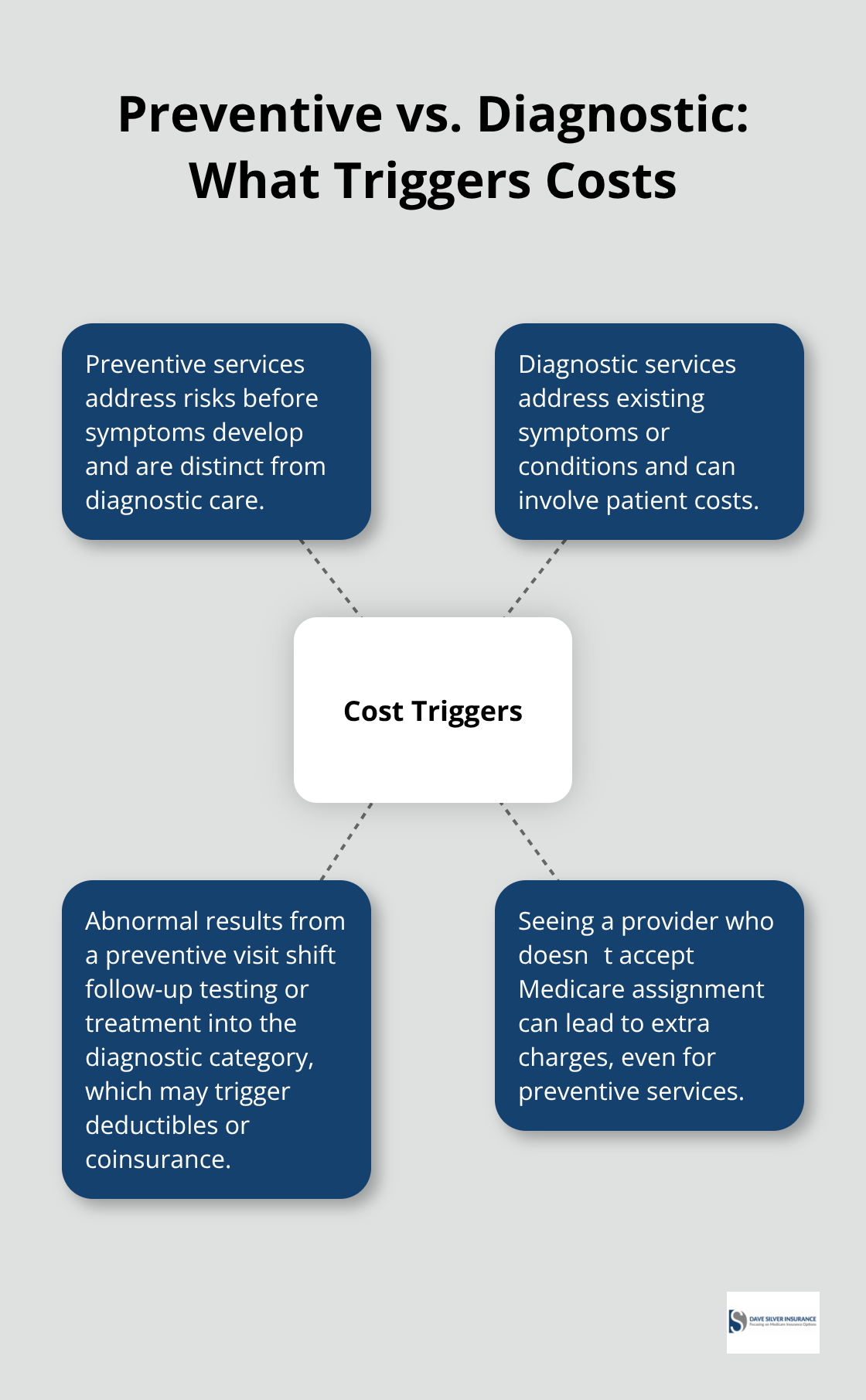
The distinction between preventive and diagnostic services matters for your wallet. Preventive services address health risks before symptoms develop, while diagnostic services address existing symptoms or conditions. If your preventive visit uncovers an abnormal result, any follow-up testing or treatment falls into the diagnostic category and may trigger deductibles or coinsurance. Additionally, if you see a provider who doesn’t accept Medicare assignment, that provider can bill you extra even for preventive services.
Verify your provider’s assignment status before your appointment to avoid surprise bills.
Understanding what Medicare covers at no cost puts you in control of your health and finances. The next step involves learning how Medicare Advantage plans expand these benefits and what additional services they offer beyond Original Medicare.
What Medicare Advantage Plans Add to Your Preventive Care
How Medicare Advantage Expands Original Medicare Benefits
Original Medicare Part B covers preventive services well, but Medicare Advantage plans frequently expand those benefits in ways that matter for your daily life. Most Medicare Advantage plans cover the same preventive services as Original Medicare at no cost when you use in-network providers, but they go further by adding vision, dental, and hearing coverage that Original Medicare simply doesn’t offer. According to the Centers for Medicare and Medicaid Services, Original Medicare does not cover most dental, vision, or hearing care, which represents a significant gap for seniors who need these services regularly. This is where Medicare Advantage plans create real value.
Vision, Dental, and Hearing Coverage That Adds Up
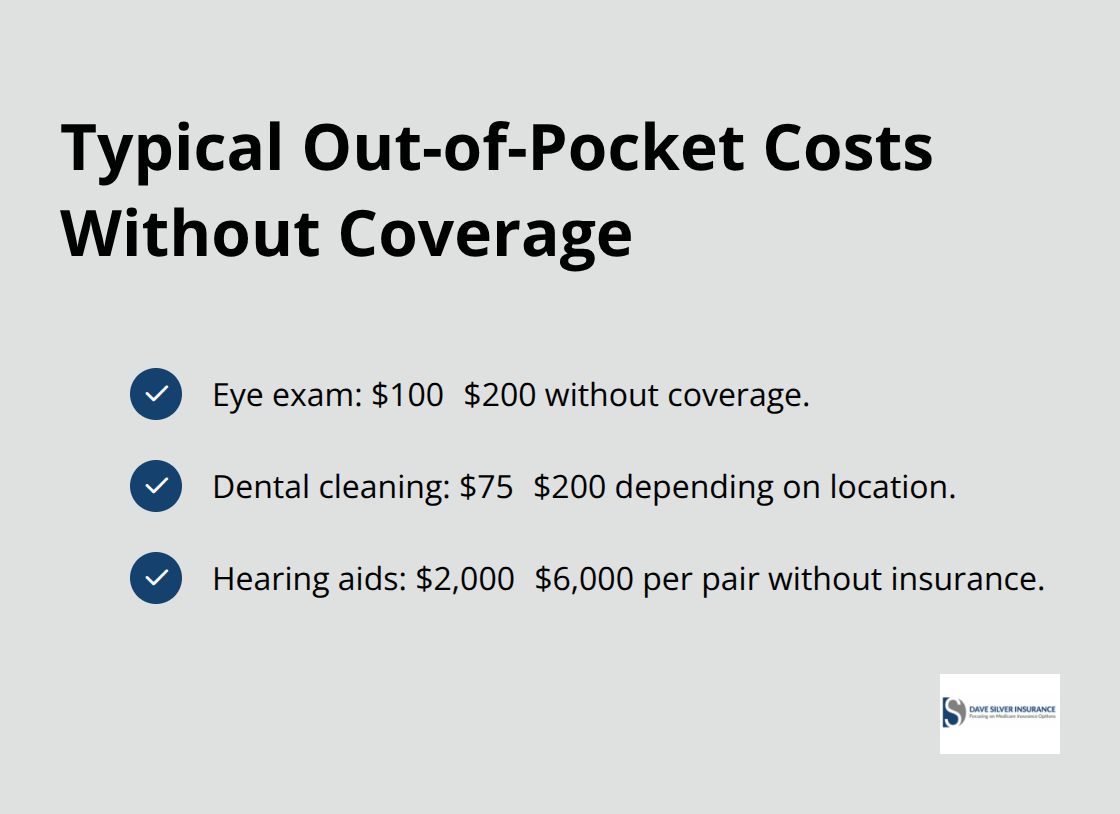
If you wear glasses, need regular dental cleanings, or struggle with hearing loss, a Medicare Advantage plan with these supplemental benefits could save you thousands annually compared to paying out of pocket. The practical reality is that vision, dental, and hearing services add up fast. A comprehensive eye exam costs between $100 and $200 without coverage, while a basic dental cleaning runs $75 to $200 depending on your location. Hearing aids, which many seniors need, can cost $2,000 to $6,000 per pair without insurance.
What to Look for in Plan Benefits
Some Medicare Advantage plans include routine eye exams annually, dental cleanings twice yearly, and hearing exams with partial coverage for hearing aids. Others offer more limited benefits. The key is reviewing your plan’s Evidence of Coverage before enrollment to see exactly what vision, dental, and hearing services are included, what the frequency limits are, and whether you’ll face copays. Many plans also cover nutrition counseling and diabetes self-management education beyond what Original Medicare provides, which directly supports managing chronic conditions.
Comparing Plans Beyond the Premium
When comparing Medicare Advantage plans, focus on whether the supplemental benefits align with your actual healthcare needs rather than only the monthly premium. If you use dental care regularly or have a family history of hearing loss, a plan offering strong dental and hearing benefits often saves money despite a slightly higher premium. The specific preventive and supplemental benefits you receive depend entirely on which plan you select and whether you stay in-network for care.
Understanding which supplemental benefits matter most for your health sets the stage for the next critical step: learning how to actually access and maximize these preventive services throughout the year.
Getting Your Annual Wellness Visit Scheduled
Your Annual Wellness Visit forms the foundation for accessing preventive services, yet many Medicare beneficiaries skip it entirely. This appointment costs nothing when you see a provider who accepts Medicare assignment, and it’s where your doctor identifies which screenings and vaccines you actually need based on your age, health history, and risk factors. During this visit, your provider reviews your medical history, current medications, family health background, and any symptoms you’ve noticed. The visit also includes basic measurements like blood pressure and weight, plus a vision check. This information becomes your personalized prevention plan for the year ahead.
Without this visit, you’re essentially guessing which services apply to you, and you might miss screenings that catch serious conditions early. Try scheduling your Annual Wellness Visit during the fall or winter so you have the full year to complete any recommended screenings before your next appointment. Call your doctor’s office directly and specifically request the Annual Wellness Visit, not a routine checkup, because the billing codes differ and affect what you pay out of pocket.
What to Discuss During Your Wellness Visit
The conversation during your wellness visit should focus on which screenings you’ve completed in the past and which ones your doctor recommends next. Ask your provider specifically about colorectal cancer screening frequency if you’re over 50, mammogram schedules if you’re a woman over 40, and whether you qualify for lung cancer screening based on your smoking history. Bring a written list of any new symptoms or health concerns you’ve noticed since your last visit, because preventive visits sometimes uncover issues that need follow-up diagnostic testing.
Understanding Costs Before You Leave
If your provider recommends additional tests or services during the wellness visit, ask upfront whether those services fall under preventive coverage or if you’ll face out-of-pocket costs. Providers who don’t accept Medicare assignment can legally charge you extra even for preventive services, so confirm your provider’s assignment status before your appointment. This simple step prevents surprise bills from arriving weeks later.
Getting Your Preventive Care Plan in Writing
After your wellness visit, request a copy of your personalized preventive care plan in writing so you have a clear record of which screenings your doctor recommended and when you should schedule them throughout the year. This document serves as your roadmap for the months ahead and helps you stay on track with preventive care.
Final Thoughts
Medicare preventive care represents one of the smartest investments you can make in your health and finances. Early detection of conditions like colorectal cancer, breast cancer, and heart disease dramatically improves treatment outcomes and reduces long-term healthcare expenses. Schedule your Annual Wellness Visit, discuss which screenings apply to your age and health history, and follow through with the recommendations your doctor provides.
Your coverage options matter significantly. If vision, dental, or hearing care affects your quality of life, a Medicare Advantage plan with strong supplemental benefits may deliver better overall value than Original Medicare alone. Verify that your provider accepts Medicare assignment before appointments to avoid surprise bills, and ask questions about any additional services recommended during your visit.
We at Dave Silver Insurance understand that navigating Medicare coverage can feel overwhelming. With over 17 years of expertise, our team helps seniors understand their options for Medicare Part A, B, C, and D, plus Medigap Insurance to reduce out-of-pocket expenses. If you’re unsure which preventive services apply to you or whether your current coverage aligns with your healthcare needs, contact our team for personalized guidance seven days a week.
Disclaimer: The information provided in this blog is for general informational purposes only and does not constitute legal, financial, or insurance advice. Coverage options, terms, and availability may vary. Please consult with a licensed professional for advice specific to your situation