

Medicare Part B basics can feel overwhelming, but understanding what’s covered and how it works is essential for your healthcare planning.
At Dave Silver Insurance, we’ve helped thousands of people navigate their Medicare options and avoid costly mistakes. This guide breaks down Part B coverage, enrollment deadlines, and common misconceptions so you can make informed decisions about your healthcare.
What Medicare Part B Covers and What It Doesn’t
Doctor Visits and Preventive Care
Medicare Part B covers doctor visits after you meet your annual deductible of $240 in 2026. You can visit your primary care physician, specialists, and urgent care centers with this coverage. Part B also covers preventive services at no cost, even before you meet your deductible. Annual wellness visits, flu shots, pneumonia vaccines, and screenings for diabetes, depression, and hepatitis C all come free to you. This preventive focus means you can catch health problems early without worrying about upfront costs.
Diagnostic Tests and Medical Equipment
Part B pays for the diagnostic imaging and lab work your doctor orders. X-rays, MRIs, CT scans, EKGs, and blood tests all fall under this coverage. Physical therapy and cardiac rehabilitation are included, which matters if you’re recovering from a heart attack or stroke. Durable medical equipment like wheelchairs and walkers comes under Part B as well. Chemotherapy, ambulance services for medical transport, and mental health services are also covered, along with some acupuncture and chiropractic care (though these have specific limitations).
The Coverage Gaps You Need to Know
Part B excludes routine dental work, hearing aids, and standard vision care like glasses or contact lenses. If you travel outside the United States, Part B won’t cover your medical services abroad-a critical gap if you spend winters in another country. Alternative medicines beyond acupuncture and chiropractic fall outside Part B coverage. Many people face significant out-of-pocket costs for services Part B covers only partially. Supplemental coverage like Medigap insurance can fill these gaps by covering copayments, coinsurance, and deductibles that Part B leaves you responsible for.
Understanding Your Out-of-Pocket Responsibility
Without supplemental coverage, you’ll pay the Part B deductible before most services begin. After that, you typically pay 20% coinsurance for covered services while Medicare pays 80%. Preventive services remain free throughout the year, but everything else requires cost-sharing. These out-of-pocket expenses add up quickly for people with chronic conditions or frequent doctor visits.
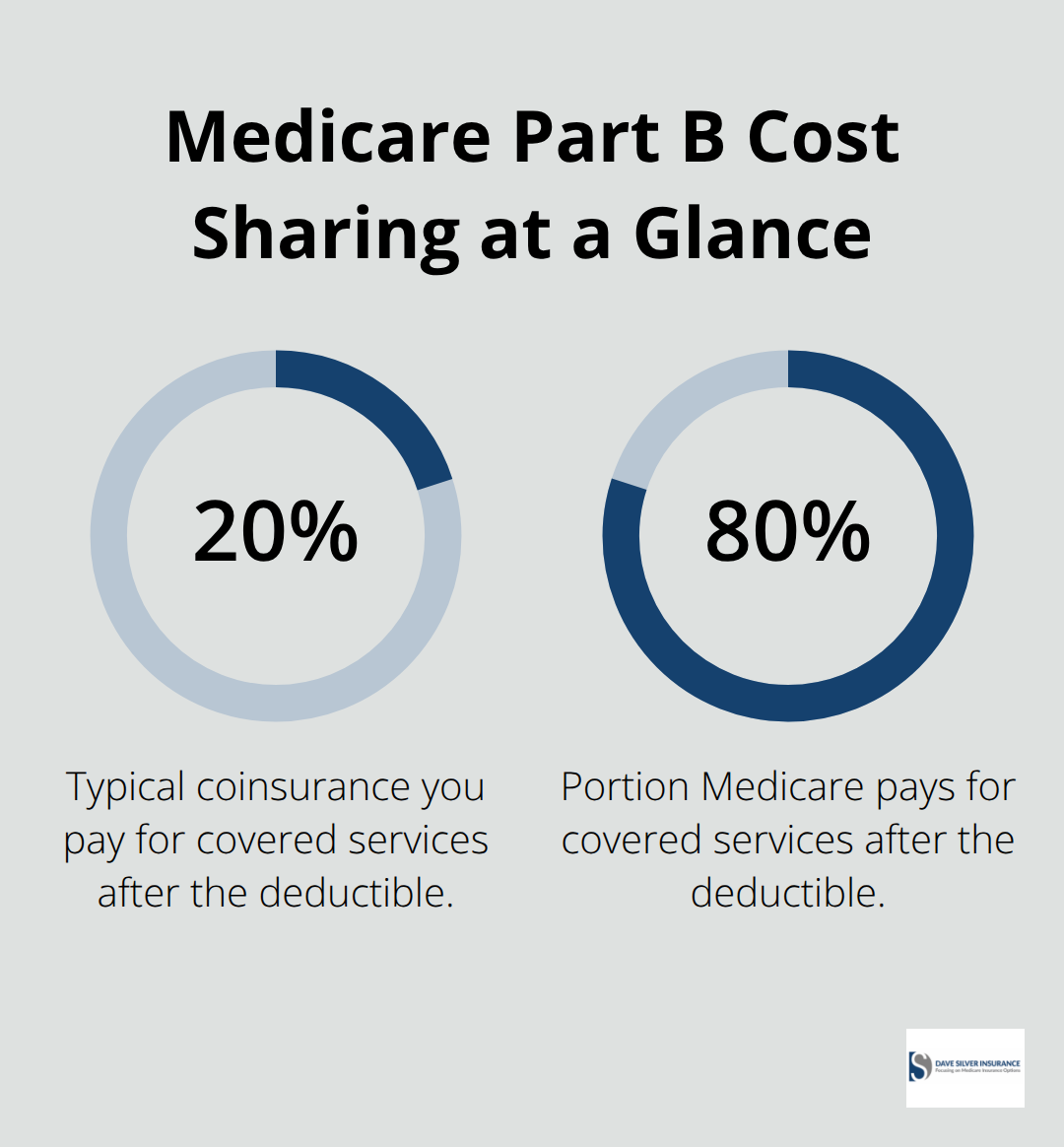
Knowing exactly what you’ll pay helps you plan your healthcare budget and decide whether additional coverage makes sense for your situation.
How Part B Actually Works
Enrollment Deadlines That Determine Your Financial Future
Signing up for Part B sounds simple until you miss a deadline and face penalties that stick with you for life. The Initial Enrollment Period runs three months before your 65th birthday, through your birthday month, and three months after-a seven-month window that seems generous until you realize most people don’t know about it. If you already collect Social Security, enrollment happens automatically, but if you don’t, you must act. Visit SocialSecurity.gov, call 1-800-772-1213, or visit a local Social Security office to enroll. Missing this window costs you a late enrollment penalty that lasts forever. The General Enrollment Period from January through March offers a second chance, but coverage doesn’t start until July, creating months without protection.
How Your Premium Gets Calculated
Your Part B premium in 2026 depends entirely on your Modified Adjusted Gross Income from two years prior. Standard premiums run around $175 monthly, but higher earners pay Income-Related Monthly Adjustment Amounts that can exceed $560 monthly. The $240 annual deductible applies before most services kick in, then you pay 20% coinsurance while Medicare covers 80%. Preventive care bypasses both the deductible and coinsurance entirely, so your flu shot and annual wellness visit cost nothing regardless of income.
Using Your Benefits and Managing Costs
When you actually use your benefits, you’ll visit doctors who accept Medicare assignment, meaning they bill Medicare directly and you pay only your coinsurance. Some providers don’t accept assignment and can balance bill you for the difference, so verify participation before scheduling. Supplemental coverage through Medigap eliminates most of these out-of-pocket costs, which explains why roughly 27% of Medicare beneficiaries add it to their original Medicare. Understanding these payment mechanics helps you anticipate what you’ll owe and whether additional coverage fits your budget.
Common Misconceptions About Medicare Part B
What Part B Actually Excludes
Most people assume Part B covers all their medical needs, then face a painful surprise when they need dental work, hearing aids, or glasses. Part B excludes most dental care, and hearing aids-you’ll pay full price out of your pocket for these services. If you wear glasses and need new frames annually, that costs roughly $300 to $500 yearly that Part B won’t touch. Dental cleanings and fillings cost hundreds to thousands of dollars without coverage, and hearing aids range from $2,000 to $6,000 per pair.
The gap worsens if you travel internationally because Part B stops at the U.S. border, leaving you uninsured for any medical emergencies abroad. Alternative medicines beyond the limited acupuncture and chiropractic coverage Part B allows fall into this excluded category as well. Most people with chronic conditions or regular healthcare needs only recognize these gaps after they’ve already enrolled, which is too late to change their coverage strategy.
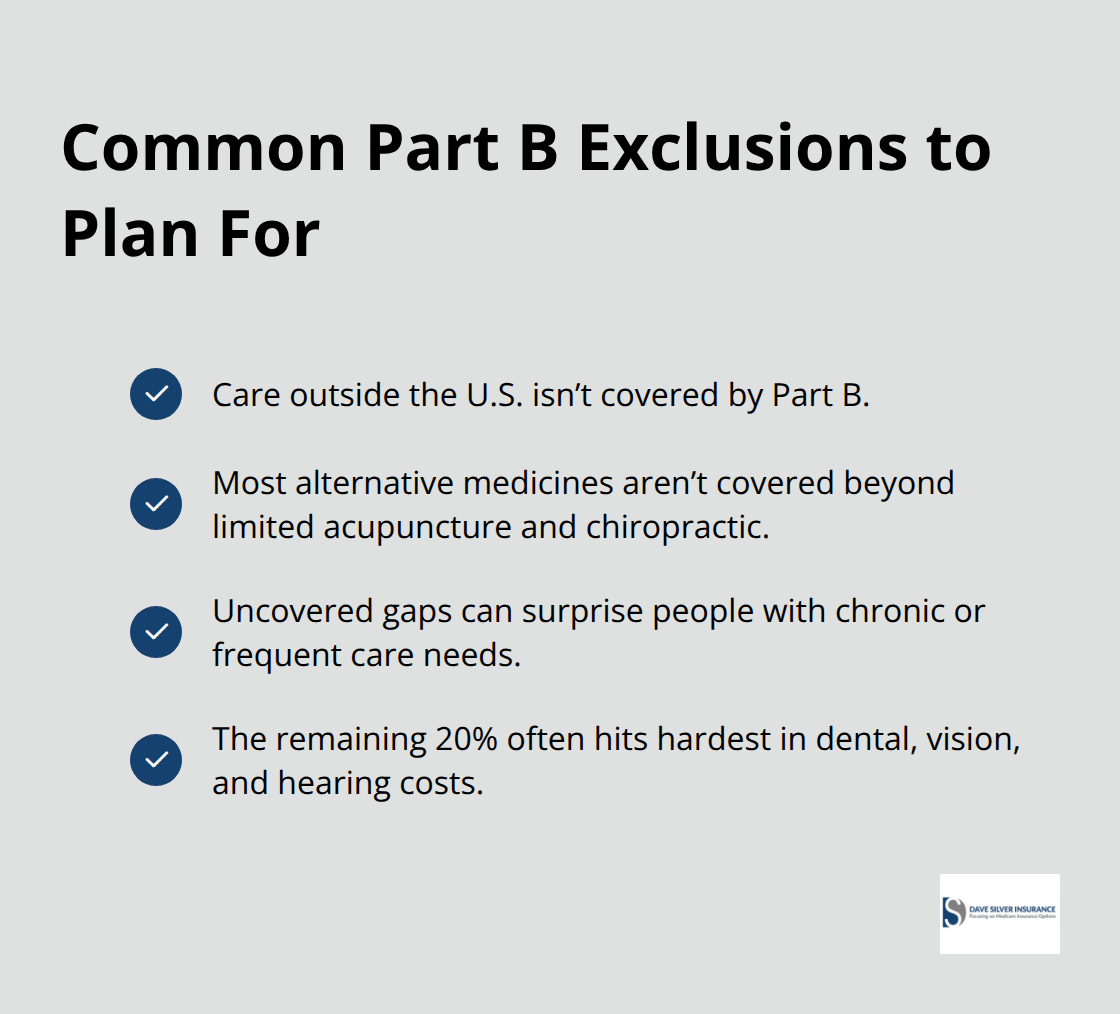
The truth is that Part B covers about 80% of standard medical expenses, but that remaining 20% hits hardest in areas like dental, vision, and hearing where costs spike rapidly.
How Part B Layers with Other Coverage Types
Understanding how Part B layers with other coverage types determines whether you’ll face manageable out-of-pocket costs or financial strain. Original Medicare Part B pairs with either Medigap supplemental insurance or Medicare Advantage plans, and these two paths create dramatically different financial outcomes. Medigap policies, offered by private insurers, cover the coinsurance and deductibles that Part B leaves you responsible for, eliminating most surprise bills and bringing your annual costs into predictable ranges.
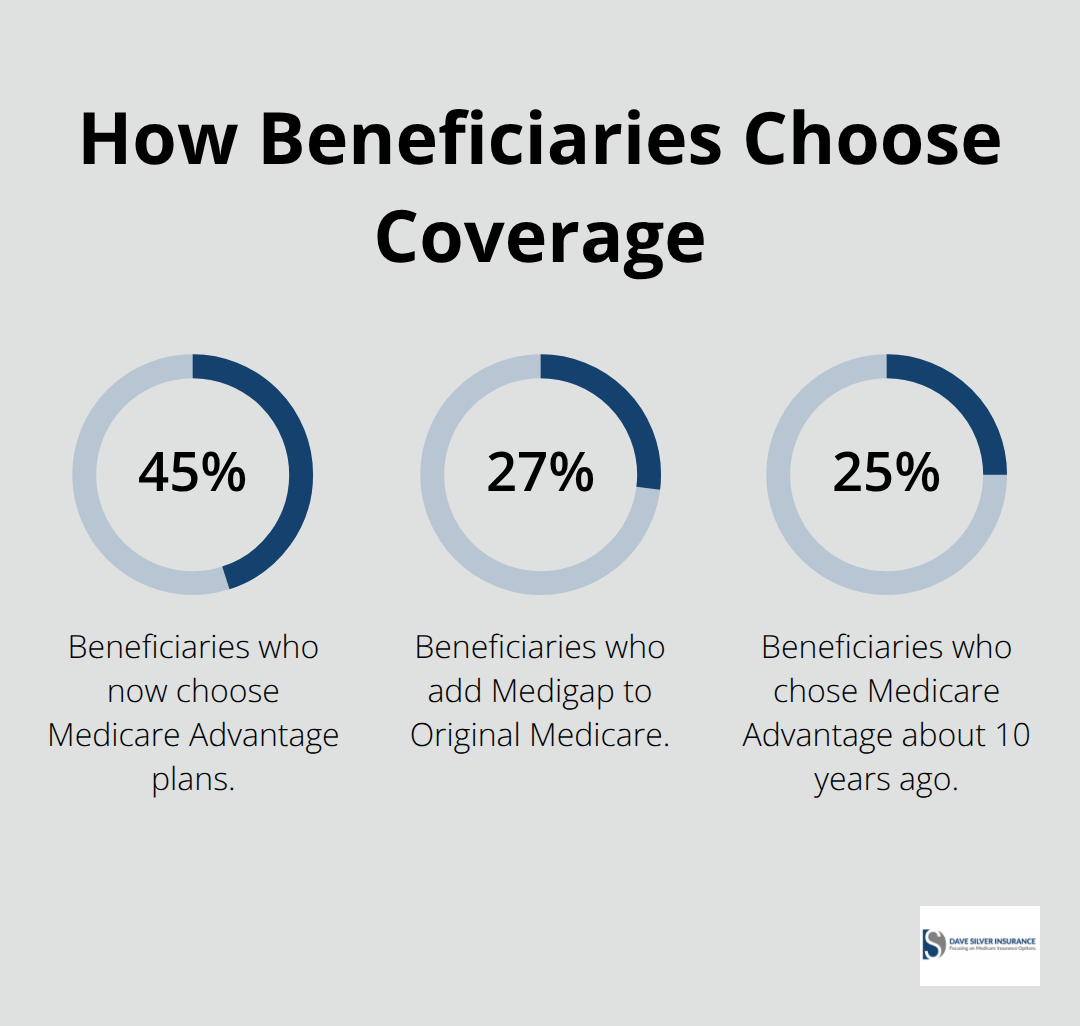
Medicare Advantage plans function as an alternative to original Part B coverage, bundling hospital, outpatient, and often prescription drug coverage into a single plan with fixed copayments instead of percentage-based coinsurance. The Medicare Payment Advisory Commission reports that roughly 45% of Medicare beneficiaries now choose Advantage plans over original Medicare with Medigap, a dramatic shift from 10 years ago when only 25% did. Advantage plans appeal to people with lower healthcare costs because of their low or zero premiums, but they restrict you to in-network providers and require prior authorization for many services.
Choosing Between Original Medicare and Advantage Plans
If you have multiple chronic conditions, original Medicare with Medigap typically costs more upfront but provides unlimited access to any Medicare-accepting provider nationwide. The decision between these paths hinges on whether you prioritize lower monthly premiums or predictable out-of-pocket costs and provider flexibility. Those with stable health and minimal doctor visits often save money with Advantage plans, while people who see specialists frequently or travel extensively benefit more from original Medicare with Medigap coverage.
Final Thoughts
Medicare Part B basics matter most when you act on them before deadlines pass. If you’re approaching 65, mark your Initial Enrollment Period on your calendar now and don’t wait until the last month. If you’re already enrolled, review whether your current coverage matches your actual healthcare needs and consider whether Medigap or Medicare Advantage fits your situation better.
We at Dave Silver Insurance have spent over 17 years helping people navigate these exact decisions. Our team works with you seven days a week to understand your health situation and financial picture, then recommend the coverage that actually fits your life. Schedule a consultation with us and get personalized guidance based on your specific circumstances.
You’ll gain clarity about what you’ll pay, which providers you can see, and whether additional coverage makes sense for you. We handle the Medicare regulations and compliance details so you don’t have to worry about penalties or coverage gaps. Rather than guessing about your options, let our team help you make the right choice.
Disclaimer: The information provided in this blog is for general informational purposes only and does not constitute legal, financial, or insurance advice. Coverage options, terms, and availability may vary. Please consult with a licensed professional for advice specific to your situation