

Medicare coverage for DME equipment can feel overwhelming, but it doesn’t have to be. At Dave Silver Insurance, we’ve helped countless people navigate the approval process and get the equipment they need without breaking the bank.
This guide walks you through eligibility requirements, covered equipment types, and practical steps to reduce your out-of-pocket costs. You’ll learn exactly what Medicare covers and how to appeal if your claim gets denied.
What Makes Equipment Qualify for Medicare Coverage
Medicare applies strict rules to determine which medical equipment qualifies for coverage. The equipment must meet four specific criteria established by Medicare, according to Medicare.gov. First, it must be durable, meaning it can withstand repeated use without falling apart. Second, it has to serve a medical purpose and be prescribed by your doctor or another eligible healthcare provider. Third, it should be something that wouldn’t be useful to someone who isn’t sick or injured. Fourth, Medicare expects the equipment to last at least three years.
Your doctor’s prescription forms the foundation of your entire claim. Without a written prescription from your physician documenting medical necessity, Medicare won’t pay a cent. The prescription needs to state that the equipment is part of your treatment plan and has therapeutic value for your specific condition. Many denials happen because the documentation is vague or incomplete. Have a direct conversation with your doctor about Medicare’s criteria before requesting the prescription.
Enrollment Status: Your Doctor and Supplier Must Both Participate
Both your doctor and your DME supplier must hold Medicare enrollment for your claim to process smoothly. If either one lacks enrollment, you could pay the full cost upfront and wait months for Medicare to reimburse you-if they reimburse you at all. Check your supplier’s Medicare enrollment status before you order anything. Call them directly and ask if they accept Medicare assignment, which means they agree to charge only what Medicare allows.
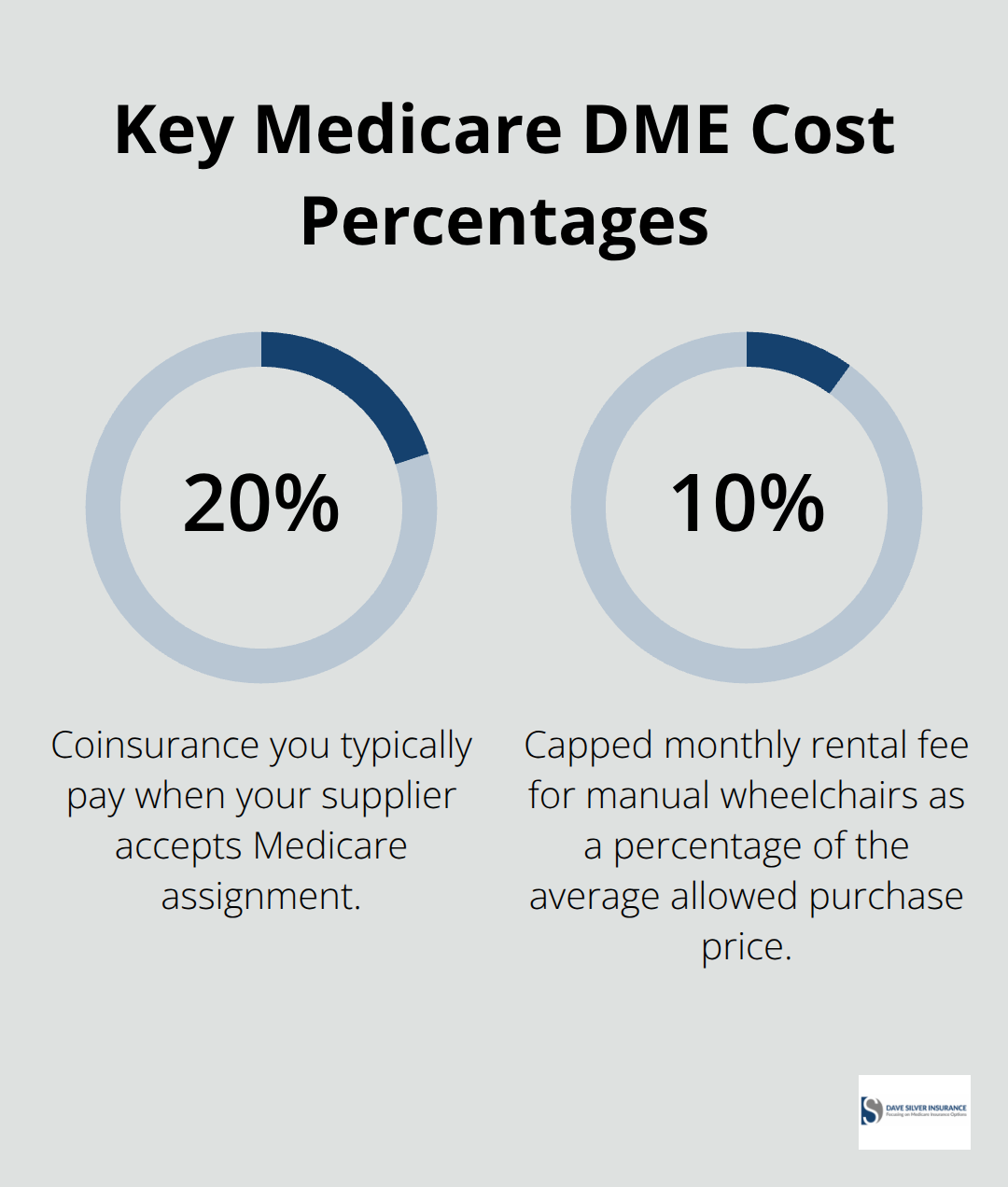
Non-participating suppliers can charge whatever they want, and you’ll absorb the difference. After you meet your Part B deductible, you typically pay 20 percent coinsurance on the Medicare-approved amount when your supplier accepts assignment. If they don’t accept assignment, your out-of-pocket costs could climb significantly.
Pre-Approval Protects You from Costly Denials
Pre-approval isn’t always required, but it acts as your best protection against expensive denials. Some equipment, like power wheelchairs and certain respiratory devices, almost always needs pre-approval. Contact your supplier and ask them to submit a prior authorization request to Medicare on your behalf. This request should include your doctor’s prescription, medical records showing your diagnosis, and documentation of medical necessity.
The approval process typically takes one to two weeks. Submit the request as soon as your doctor mentions you might need DME rather than waiting until you desperately need the equipment. If Medicare denies the pre-approval request, you’ll know before spending money, and you can work with your doctor to provide additional documentation or appeal the decision. This advance knowledge gives you time to explore your options and adjust your strategy before costs accumulate.
What Equipment Does Medicare Actually Cover
Mobility Aids and Wheelchairs
Medicare covers a specific range of DME, and knowing exactly what qualifies prevents you from requesting equipment that won’t receive approval. Mobility aids like canes, crutches, walkers, and wheelchairs qualify when you meet clinical criteria established by Medicare. Manual wheelchairs fall into a capped rental category-you pay a monthly rental fee that caps at 10 percent of the average allowed purchase price, with the option to purchase after 10 months of rental payments. Power wheelchairs require pre-approval almost universally, and Medicare pays the lowest of either your actual charge or the device’s fee schedule amount, including all medically necessary accessories.
Hospital beds receive coverage only when medically necessary, not simply because stairs are inconvenient or your bedroom sits upstairs. Scooters qualify under the same stringent medical necessity standard as power wheelchairs. Your doctor must document why standard mobility aids won’t work for your condition. Vague prescriptions stating you need a wheelchair get rejected regularly; specific documentation linking your diagnosis, functional limitations, and why the particular equipment addresses those limitations matters enormously.
Respiratory Equipment and Oxygen Systems
Respiratory equipment including CPAP machines and oxygen systems represents another major coverage category, though oxygen equipment operates under special rules that confuse many beneficiaries. Medicare covers oxygen concentrators and portable oxygen systems when medically necessary. Portable oxygen systems with preset, non-adjustable flow may face denial or limitation, so verify your specific system qualifies before ordering.
Oxygen equipment requires ongoing maintenance and consumables like filters and hoses, which Medicare covers as part of your DME benefit. CPAP machines also need regular filter replacement and hose maintenance to function properly. Contact your supplier and ask them to verify coverage for your specific respiratory equipment before you commit to anything.
Diabetic Supplies and Monitoring Devices
Diabetic supplies including blood glucose monitors, test strips, lancets, and lancet holders receive coverage when specific medical conditions are met. Blood glucose analyzers used for reflectance colorimetry testing at home face denial, however. Your doctor’s prescription must specify the type of monitoring device and justify why you need it for your diabetes management.
Suction Machines and Medical Necessity Standards
Suction machines receive coverage when medically required for home use and your physician or therapist provides appropriate training. The distinction between what Medicare covers and what it denies often hinges on whether the equipment serves a primarily medical purpose versus a convenience or hygiene purpose. Bathtub lifts get rejected as convenience items, but this distinction isn’t always obvious to patients or suppliers.
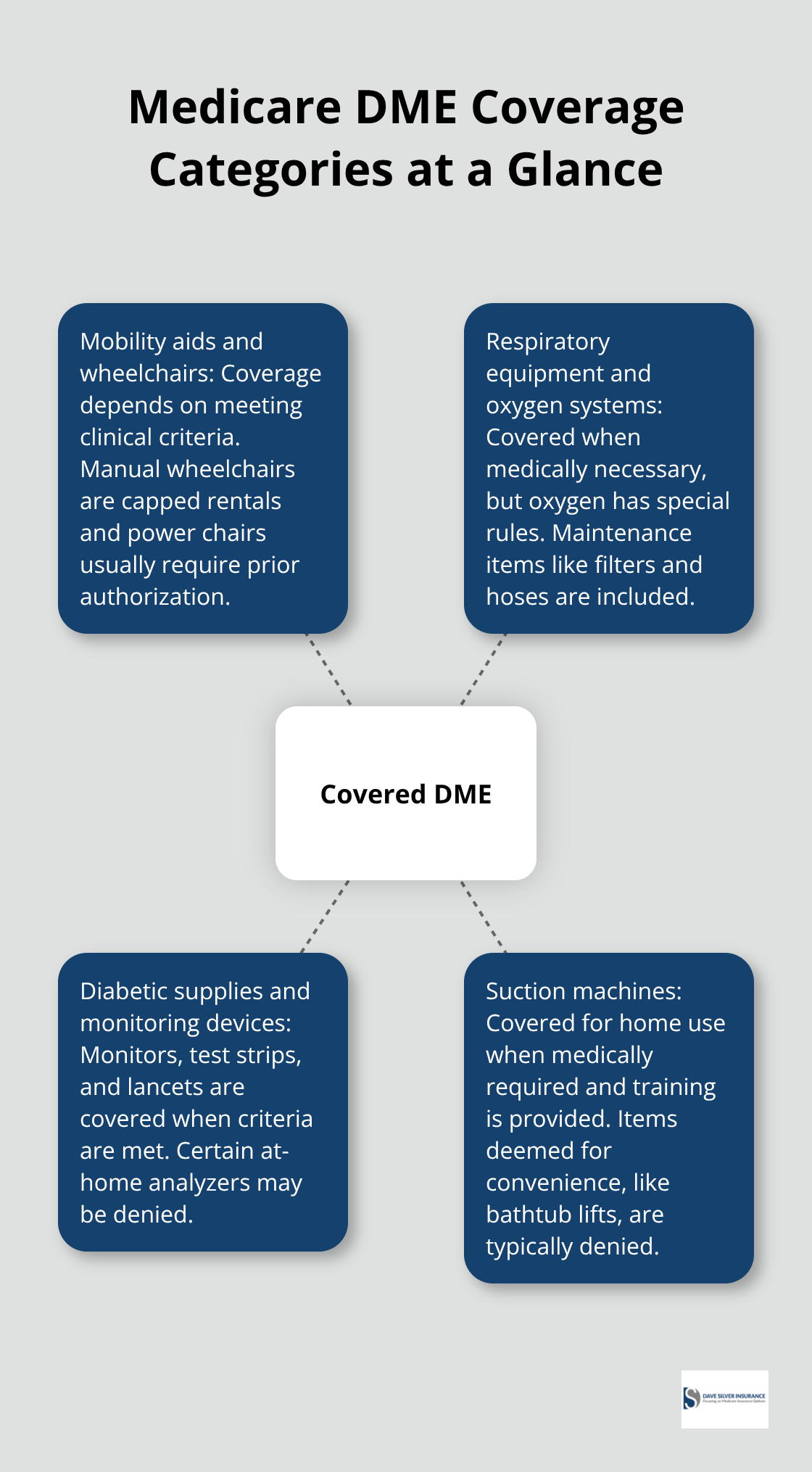
Understanding these coverage categories helps you work with your doctor and supplier to request equipment that Medicare will actually approve. The next step involves selecting the right supplier and navigating the approval process to move your claim forward efficiently.
Picking the Right Supplier and Moving Forward
Verify Medicare Enrollment and Assignment Status
Selecting a Medicare-enrolled DME supplier ranks as one of the most consequential decisions you’ll make in the entire approval process, yet most people rush this step. Call three suppliers in your area and ask each one directly: Do you accept Medicare assignment? This single question determines whether you’ll pay 20 percent coinsurance on the Medicare-approved amount or potentially face unlimited out-of-pocket costs. Non-participating suppliers can charge whatever they choose, leaving you responsible for any difference between their price and what Medicare allows.
Before ordering anything, request a written estimate from each supplier showing their charges and whether they accept assignment. The Competitive Bidding Program ended on December 31, 2018, according to CMS, which means fewer suppliers participate with Medicare now than in previous years. This scarcity makes verification even more critical.
Confirm Prior Authorization Support
Ask your supplier whether they handle prior authorization requests internally or if you must submit them yourself. The best suppliers proactively submit pre-approval requests on your behalf, including your doctor’s prescription, medical records, and detailed documentation of medical necessity. This process typically takes one to two weeks. If your supplier refuses to submit the authorization request, that’s a red flag-find a different supplier.
Your doctor’s medical records must clearly link your diagnosis to functional limitations and explain specifically why the equipment addresses those limitations. Vague language like “needs wheelchair for mobility” gets rejected regularly. Insist that your doctor document concrete details: your specific diagnosis, what activities you cannot perform without the equipment, and why this particular equipment solves the problem.
Request Documentation and Verify Accuracy
Request copies of everything your supplier submits to Medicare so you can verify accuracy. Many denials stem from incomplete or inaccurate medical documentation, not from coverage policy itself. You hold the right to review all materials before they reach Medicare, and catching errors at this stage prevents months of delays.
Navigate the Appeal Process When Denials Occur
When Medicare denies your claim, the appeal process offers legitimate pathways to overturn the decision. You have 120 days from the denial notice to file a reconsideration request. Start by reviewing the specific denial reason Medicare provides-this tells you exactly what documentation or clinical evidence they found insufficient.
Contact your doctor immediately and ask them to provide additional medical records, clinical notes, or test results that address the denial reason directly. Resubmit your appeal with this new documentation attached. If Medicare denies your reconsideration, you can request a hearing before an Administrative Law Judge, and if you still disagree, further appeals exist through the Medicare Appeals Council. Most beneficiaries stop after the initial denial and never pursue appeals, yet many reversals happen during reconsideration when proper documentation gets submitted.
The appeal process costs nothing, and you have every right to challenge Medicare’s decision. Document everything in writing-keep copies of denial letters, appeal submissions, and correspondence with your supplier and doctor.
Escalate When You Face Barriers
If you encounter obstacles obtaining DME, start with 1-800-MEDICARE and request escalation, then contact your state Medicare Administrative Contractor, then the National Suppliers Clearinghouse, and finally the Competitive Acquisition Ombudsman for resolution. These escalation pathways exist specifically to help beneficiaries overcome supplier or coverage barriers.
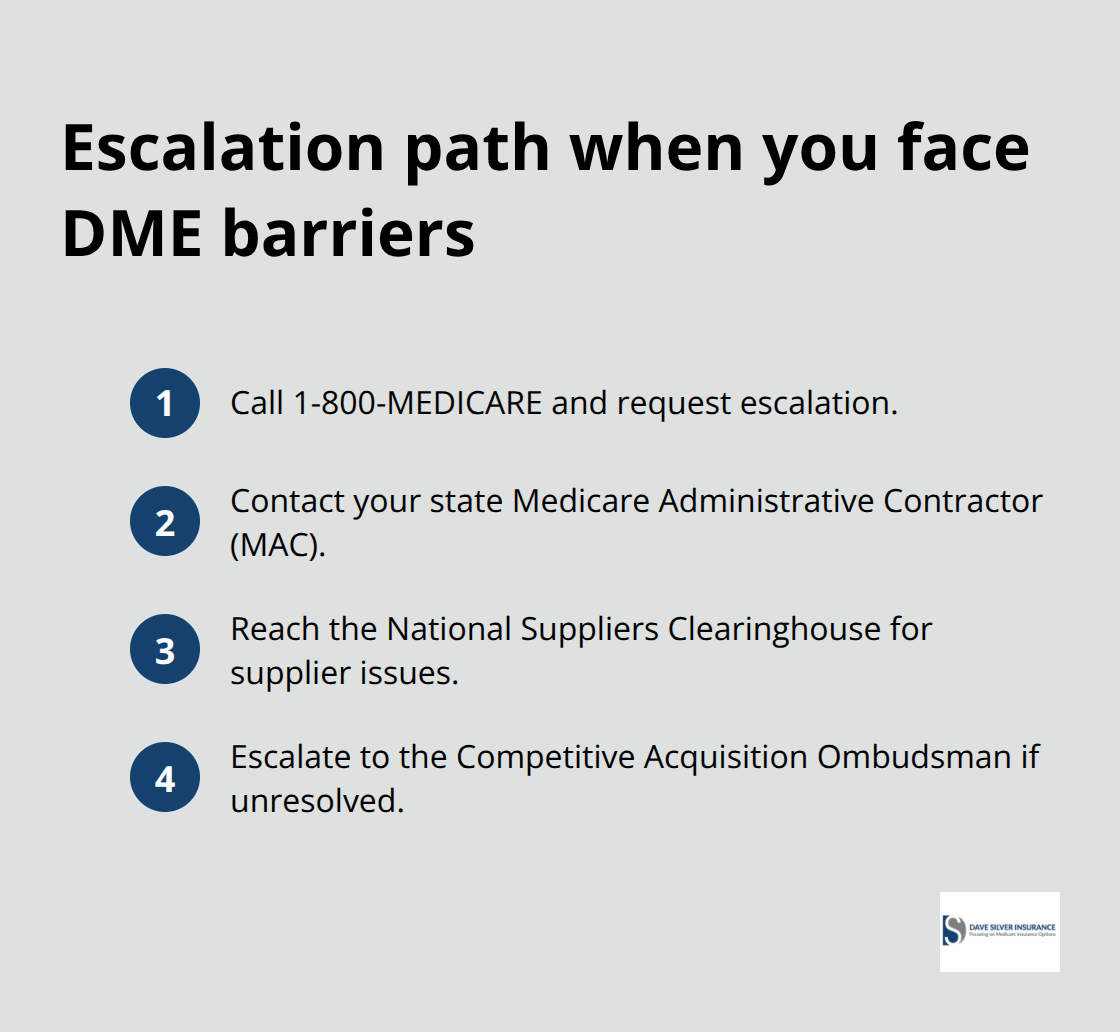
Your persistence through these channels often produces results when initial requests fail.
Final Thoughts on Getting the Right DME Coverage
Medicare Part B covers 20 percent coinsurance on DME after you meet your annual deductible, but this standard coverage leaves significant out-of-pocket expenses for many beneficiaries. The actual amount you pay depends entirely on the Medicare-approved amount for your specific equipment, which varies widely. A power wheelchair might have a $6,000 approved amount, meaning you’d owe $1,200 in coinsurance alone.
Medigap plans offer the most direct path to reducing these expenses. Plans F, G, and N specifically cover the Part B coinsurance that Medicare doesn’t pay, which means you’d owe nothing after meeting your deductible for Medicare coverage for DME equipment. If you’re currently enrolled in Original Medicare without Medigap coverage, switching to a Medigap plan during your open enrollment period could cut your DME costs dramatically.
Contact Dave Silver Insurance to explore which coverage options match your health needs and budget. Our team helps beneficiaries navigate Medicare enrollment and identify plans that fit their specific situations. We’re available seven days a week to answer your questions about DME coverage and help you make confident decisions about your healthcare.
Disclaimer: The information provided in this blog is for general informational purposes only and does not constitute legal, financial, or insurance advice. Coverage options, terms, and availability may vary. Please consult with a licensed professional for advice specific to your situation