

Being a family caregiver means juggling medical decisions for someone you care about. Your caregiver Medicare needs are unique, and picking the wrong coverage can cost your family thousands in unexpected bills.
We at Dave Silver Insurance help families navigate these choices every day. This guide walks you through each Medicare option so you can pick the plan that actually fits your situation.
Understanding Medicare’s Four Parts and Your Coverage Options
What Part A and Part B Cover
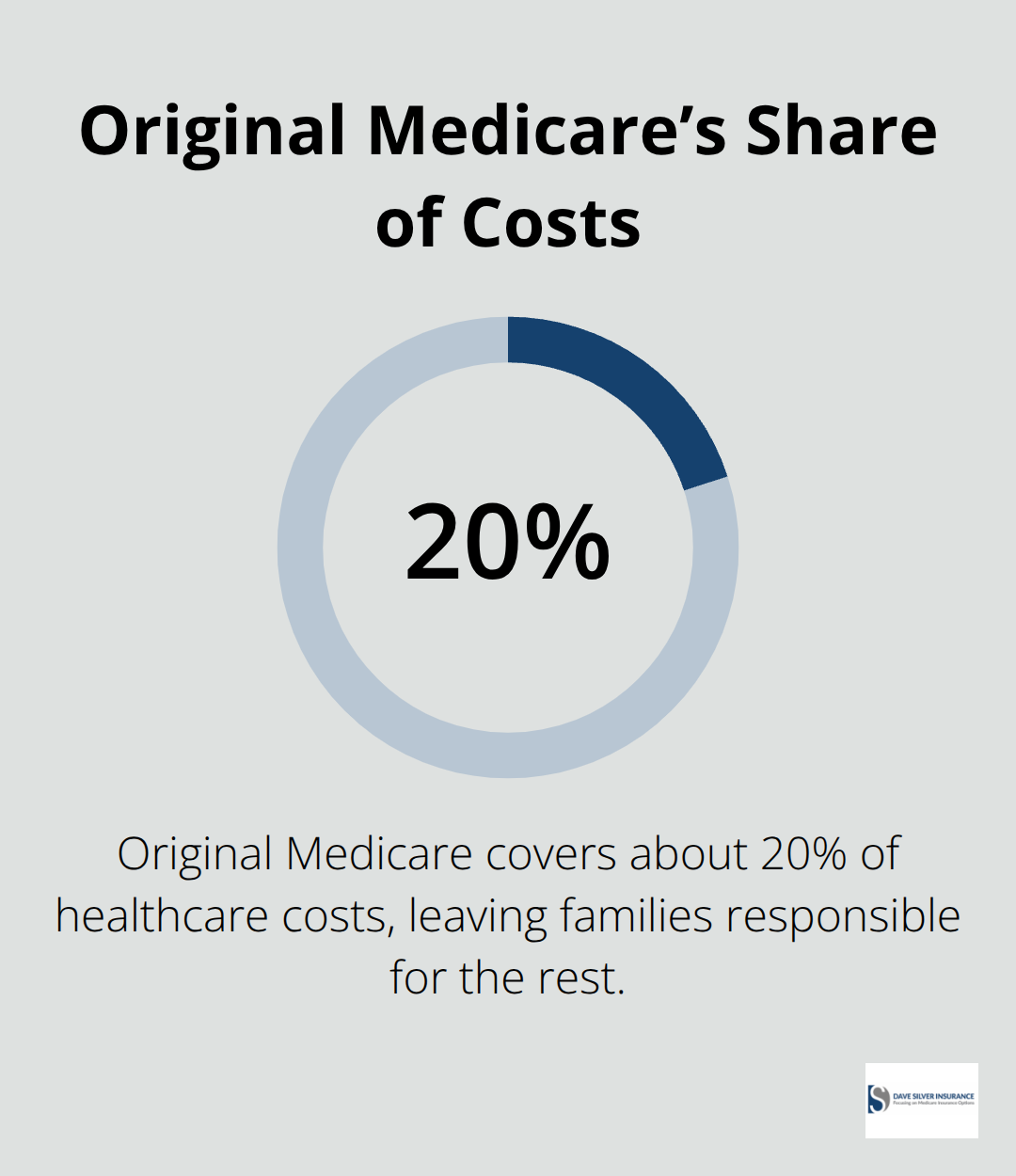
Medicare Part A covers inpatient hospital stays, skilled nursing facilities, hospice care, and some home health services. Part B covers doctor visits, outpatient services, diagnostic tests, and preventive care. Together, Part A and Part B form Original Medicare, which covers about 20 percent of healthcare costs, leaving your family responsible for the remaining amount.
Your family’s choice between these parts determines your actual out-of-pocket costs and network restrictions. Original Medicare with a Medigap plan offers more flexibility in choosing providers but requires paying both Part B premiums and Medigap premiums, which can range from 100 to 300 dollars monthly depending on the plan.
Medicare Advantage: Part C as an Alternative
Medicare Advantage (Part C) represents an alternative to Original Medicare offered by private insurance companies. These plans must cover everything Part A and B cover, but they often include prescription drug coverage and dental or vision benefits. Medicare Advantage plans typically have lower premiums than Original Medicare plus a Medigap supplement, but they come with network restrictions and higher deductibles in many cases.
The Centers for Medicare and Medicaid Services reported that the average Medicare Advantage premium was around 50 dollars per month in 2024. This lower premium structure appeals to many families, though you need to weigh the savings against potential network limitations.
Prescription Drug Coverage: Part D Essentials
Part D specifically covers prescription medications and is available as a standalone plan if you have Original Medicare, or it can be bundled into a Medicare Advantage plan. If your family member takes multiple medications, Part D becomes non-negotiable, and you need to review the specific formulary for each plan since coverage varies significantly.
The key difference between Part C and Part D is that Part C is an alternative way to receive your Part A and B benefits through a private insurer, while Part D is always an add-on to Part A and B coverage for prescriptions.
Comparing Your Financial Options
Original Medicare Part B premiums averaged 174 dollars for higher-income beneficiaries in 2024. When you add a Medigap plan to Original Medicare, your total monthly costs increase substantially compared to Medicare Advantage’s lower premiums. However, Original Medicare provides greater provider flexibility, which matters significantly if your family member has established relationships with specific doctors.
Start by reviewing your family member’s prescription list and doctor preferences first, then work backward to determine whether Original Medicare or Medicare Advantage makes financial sense for your household. This approach reveals which plan structure actually aligns with your family’s medical needs and budget constraints.
What Medications and Doctors Really Cost Under Each Plan
Start With Your Prescription List, Not Plan Names
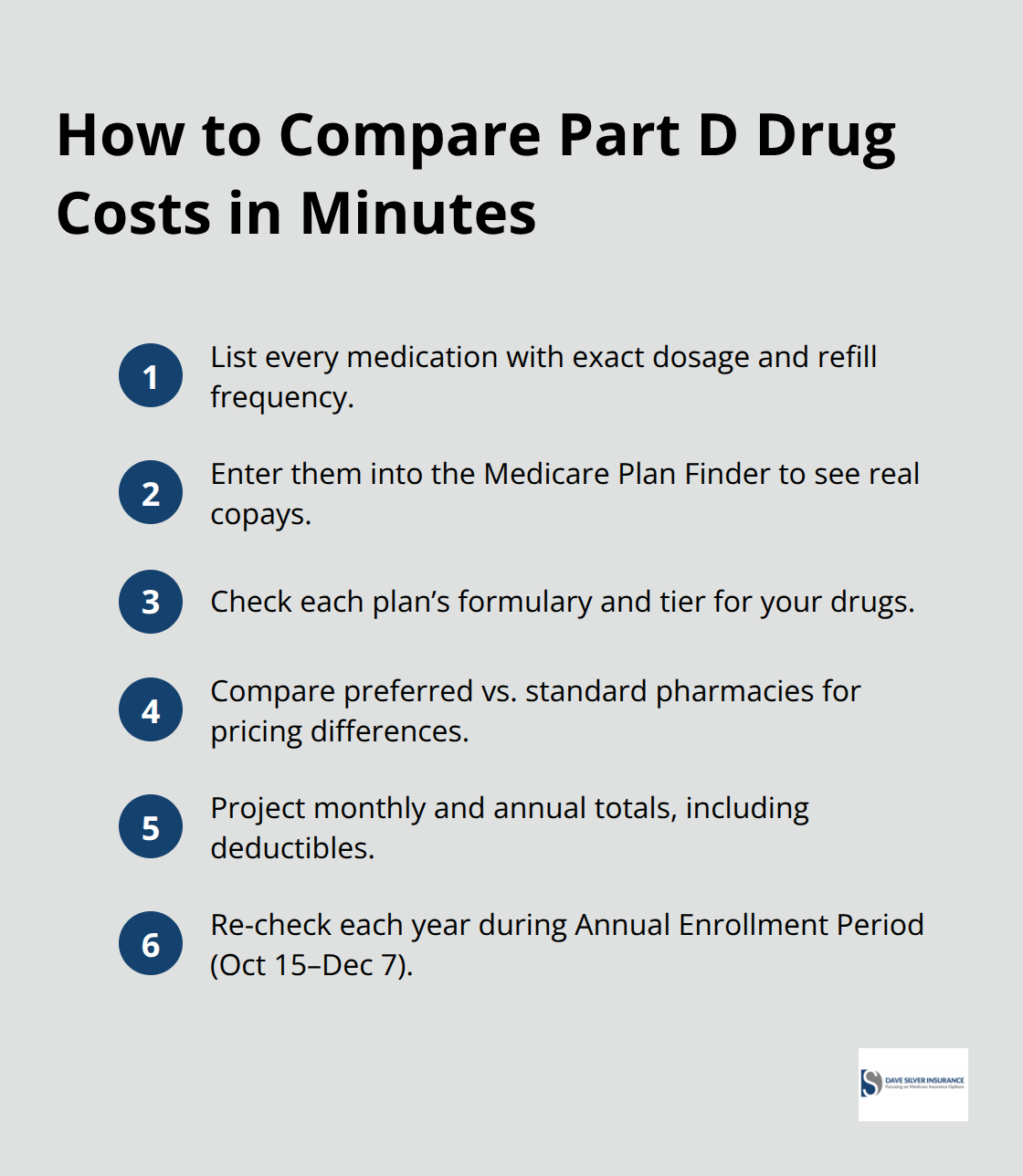
Pull together every medication your family member currently takes, including dosages and refill frequencies. This single step determines whether a plan works for your family or destroys your budget. Different Part D plans cover different drugs at different costs, and a medication that costs $15 monthly under one plan might cost $150 under another.
The Medicare Plan Finder tool lets you enter specific medications and see actual copay amounts for each plan option. Spend 20 minutes here before evaluating anything else-this research pays for itself many times over through accurate cost projections.
Verify Your Doctors Accept Each Plan
Identify which doctors and specialists your family member sees regularly. Call each provider’s office and ask directly whether they accept Medicare Advantage plans from the companies you’re considering. Medicare Advantage network restrictions can force you to switch doctors entirely, which matters far more than saving $30 monthly in premiums.
If your family member has an established relationship with a cardiologist or oncologist who doesn’t participate in a particular Medicare Advantage network, that plan gets eliminated from consideration regardless of cost. Original Medicare accepts all providers nationwide who accept Medicare, giving you complete flexibility here.
Calculate Deductibles, Coinsurance, and Annual Limits
Out-of-pocket costs extend beyond premiums and copays to deductibles, coinsurance, and annual maximum limits. Medicare Advantage plans typically charge deductibles ranging from $0 to $500 for in-network care, while Original Medicare Part B carries a $240 annual deductible as of 2024.
Calculate your family member’s expected annual healthcare costs by multiplying regular doctor visits by their copay amounts, adding estimated hospital stays, and factoring in prescription costs from your Part D research. A family member with chronic conditions requiring frequent specialist visits often pays less under Original Medicare plus a Medigap plan despite higher premiums.
Apply Real Utilization Data to Each Plan
The Kaiser Family Foundation found that beneficiaries with multiple chronic conditions average $5,500 in out-of-pocket costs annually across all Medicare options, but individual variation ranges widely. Request an Explanation of Benefits from your current insurance to see actual utilization patterns, then apply those patterns to each Medicare plan’s cost structure.
This concrete approach beats any general comparison because it reflects your family’s specific medical reality. Once you understand your actual medication costs and doctor network requirements, you can move forward to evaluating enrollment deadlines and making your final selection.
How Medigap Really Works for Family Caregivers
Original Medicare leaves your family responsible for 20 percent of healthcare costs, and that percentage adds up fast when someone has chronic conditions requiring ongoing treatment. Medigap insurance fills those gaps by covering deductibles, coinsurance, and copayments that Original Medicare doesn’t pay. The Centers for Medicare and Medicaid Services data shows that beneficiaries with Medigap coverage spend significantly less out-of-pocket annually compared to those relying on Original Medicare alone. We recommend Medigap for families whose members see doctors frequently or take multiple medications, because the premium costs typically offset the protection you gain.
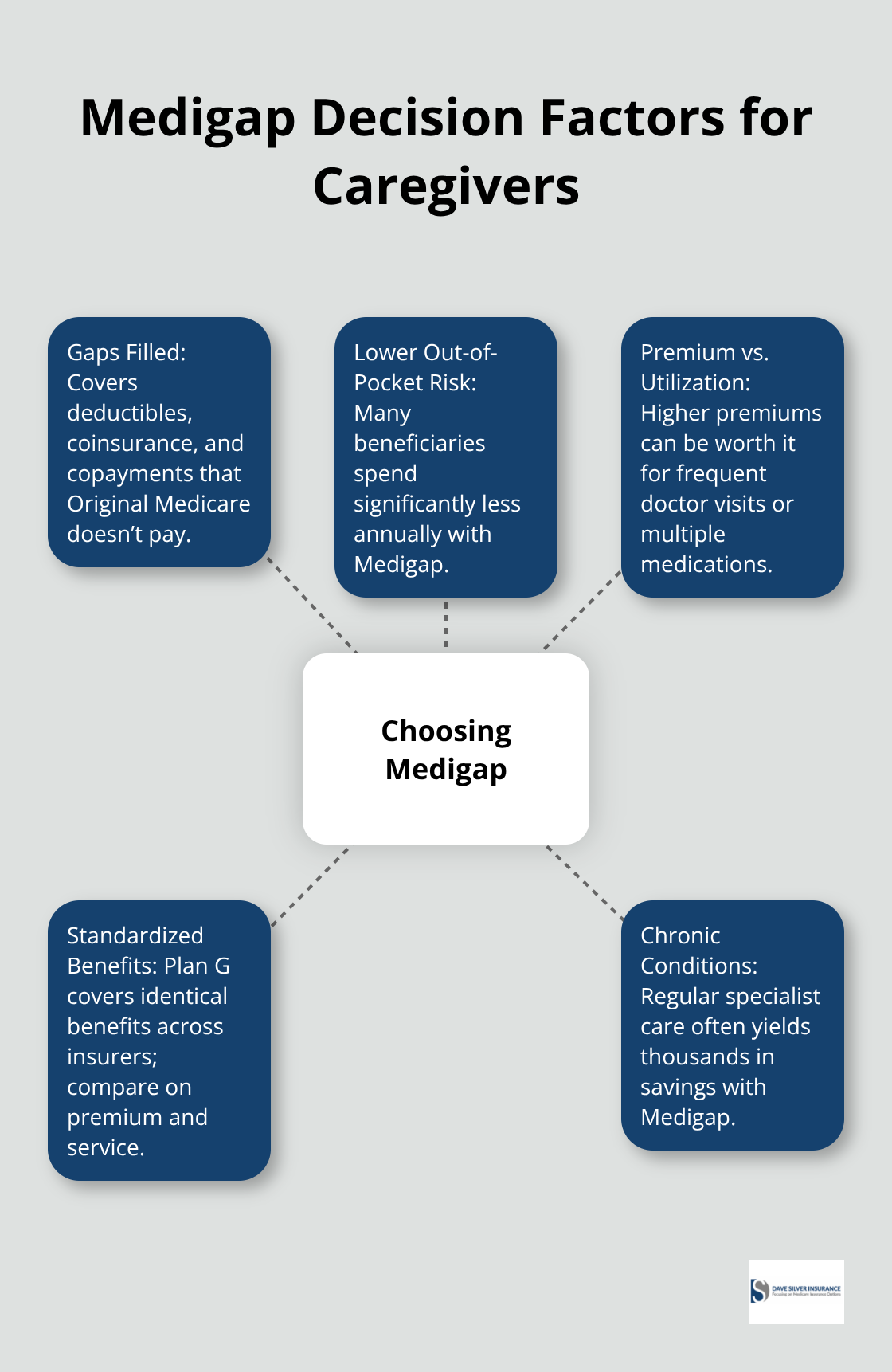
A family member with diabetes, hypertension, and arthritis who visits specialists monthly will likely save thousands annually with Medigap coverage compared to paying 20 percent coinsurance on every service. Medigap plans are standardized across insurers, meaning Plan G from one company covers identical benefits to Plan G from another company, so your comparison focuses purely on premium costs rather than coverage differences.
Finding the Right Medigap Plan Without Overpaying
Ten different Medigap plans exist, labeled A through N, and each covers a different combination of out-of-pocket costs. Plan G covers everything except the Part B deductible and is currently the most popular choice because it offers comprehensive coverage at reasonable premiums. Plan N costs less monthly but requires you to pay copayments at doctor visits and emergency rooms, making it suitable for families with minimal healthcare utilization. Your family’s enrollment window matters significantly because federal law allows insurance companies to deny coverage or charge higher premiums if you enroll outside the guaranteed issue period following your initial Medicare Part B enrollment. Contact multiple Medigap insurers directly for quotes on the specific plan you’re considering, because premiums vary substantially between companies even for identical coverage. A Plan G policy might cost $150 monthly from one insurer and $210 from another, creating annual savings of $720 if you select carefully. Coordinate your Medigap enrollment with your Original Medicare enrollment to avoid gaps in coverage and ensure you meet the deadline requirements.
Timing Your Enrollment to Lock in Better Rates
Your age when you first enroll in Medigap determines your premium for life under most insurers, so you should enroll immediately after turning 65 and enrolling in Medicare Part B to lock in the lowest possible rates. If you delay Medigap enrollment beyond six months after your Part B effective date, insurers can charge substantially higher premiums or deny coverage entirely based on your health status. Some states provide additional protections through state-mandated guaranteed issue periods tied to Medicare Advantage disenrollment, allowing you to switch to Medigap without underwriting if you leave a Medicare Advantage plan. Check your state’s specific rules because protections vary significantly. Understanding these enrollment windows and deadlines helps you prevent costly mistakes that cannot be reversed later.
Final Thoughts
You’ve reviewed how Part A and B work, calculated your family member’s actual medication and doctor costs, and understood how Medigap fills coverage gaps. Medicare enrollment deadlines are strict-missing them costs your family money through permanent late enrollment penalties on Part B and Part D. Your Initial Enrollment Period runs for seven months centered on your 65th birthday month, while your Annual Enrollment Period runs from October 15 through December 7 each year, allowing you to switch plans once annually.
Your caregiver Medicare needs are specific to your family’s medical reality, not to generic plan ratings or online reviews. Write down three concrete questions about your situation: Does your family member take medications that appear on multiple plan formularies at different costs? Are there specialists your family member sees regularly who only accept Original Medicare? What’s your household’s total monthly budget for healthcare premiums? These questions point you toward the right choice far better than generic comparisons.
We at Dave Silver Insurance have spent over 17 years helping families navigate this exact situation. Our team works seven days a week to provide personalized guidance based on your family member’s actual health conditions, medications, and doctor preferences. Contact Dave Silver Insurance to discuss your family’s situation with someone who understands Medicare inside and out.
Disclaimer: The information provided in this blog is for general informational purposes only and does not constitute legal, financial, or insurance advice. Coverage options, terms, and availability may vary. Please consult with a licensed professional for advice specific to your situation