
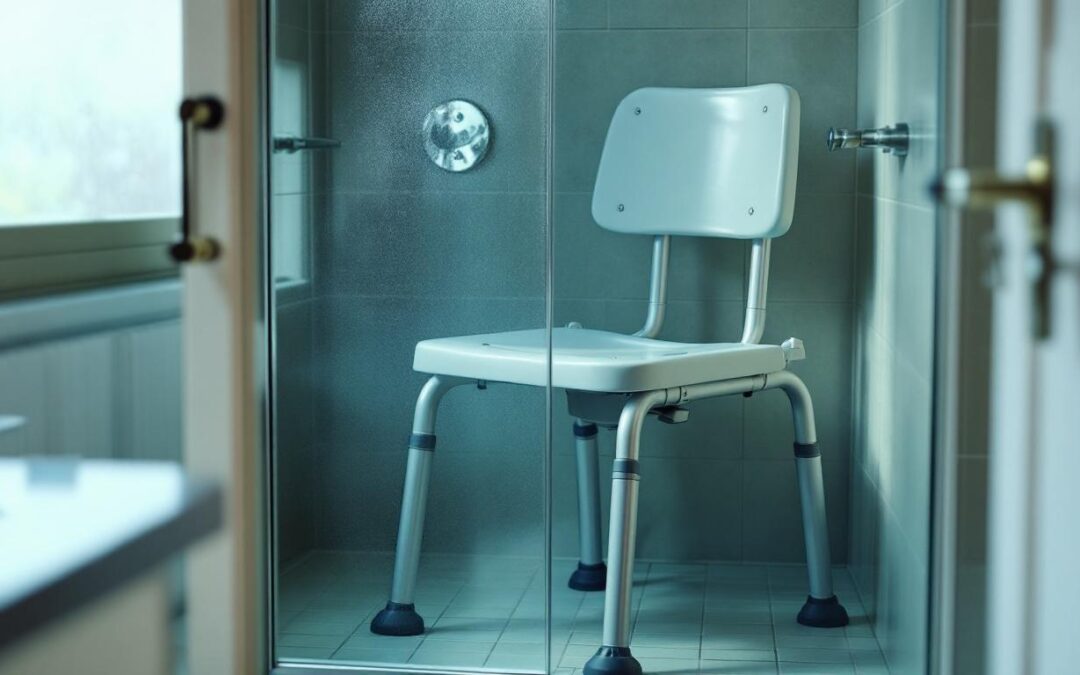
Bathroom safety matters, especially as we age. Many older adults need extra support in the shower, and a shower chair can make a real difference in preventing falls.
Here at Dave Silver Insurance, we know that Medicare coverage for shower chairs isn’t always straightforward. The good news is that Medicare Part B does cover certain shower chairs when specific conditions are met.
What Shower Chairs Actually Qualify for Medicare Coverage
Medicare Part B covers durable medical equipment, or DME, when your doctor prescribes it for home use and it meets strict criteria. The equipment must be durable, useful only for someone who is sick or injured, last at least three years, and be reusable. Most standard shower chairs fail to meet these requirements.

Medicare does not classify shower chairs as medically necessary equipment because the agency assumes you can use alternatives like grab bars instead. However, some wheeled shower chairs or commode chairs that function as shower seats may qualify if your doctor documents a specific medical reason you need them. This distinction matters enormously-a basic plastic shower seat will not receive approval, but a specialized wheeled commode chair designed for bathing could, depending on your situation and your doctor’s documentation.
Getting Your Doctor’s Support
Your doctor must write a prescription stating that a shower chair is medically necessary for your condition. Without it, Medicare will deny your claim automatically. The prescription needs to specify why you need it, how long you will need it, and that it is for home use. Doctors often hesitate to write these prescriptions because they recognize that most shower chairs fall outside DME guidelines. You will need to have a conversation with your physician about your specific fall risk, balance problems, or mobility limitations. Bring concrete examples: tell them about near-falls, pain during bathing, or difficulty standing. Conditions like severe arthritis, neurological disorders, or recent surgery sometimes justify approval. If your primary care doctor will not write the prescription, ask for a referral to a physical therapist or occupational therapist who specializes in fall prevention-they understand the medical documentation needed more readily.
Finding a Medicare-Approved Supplier
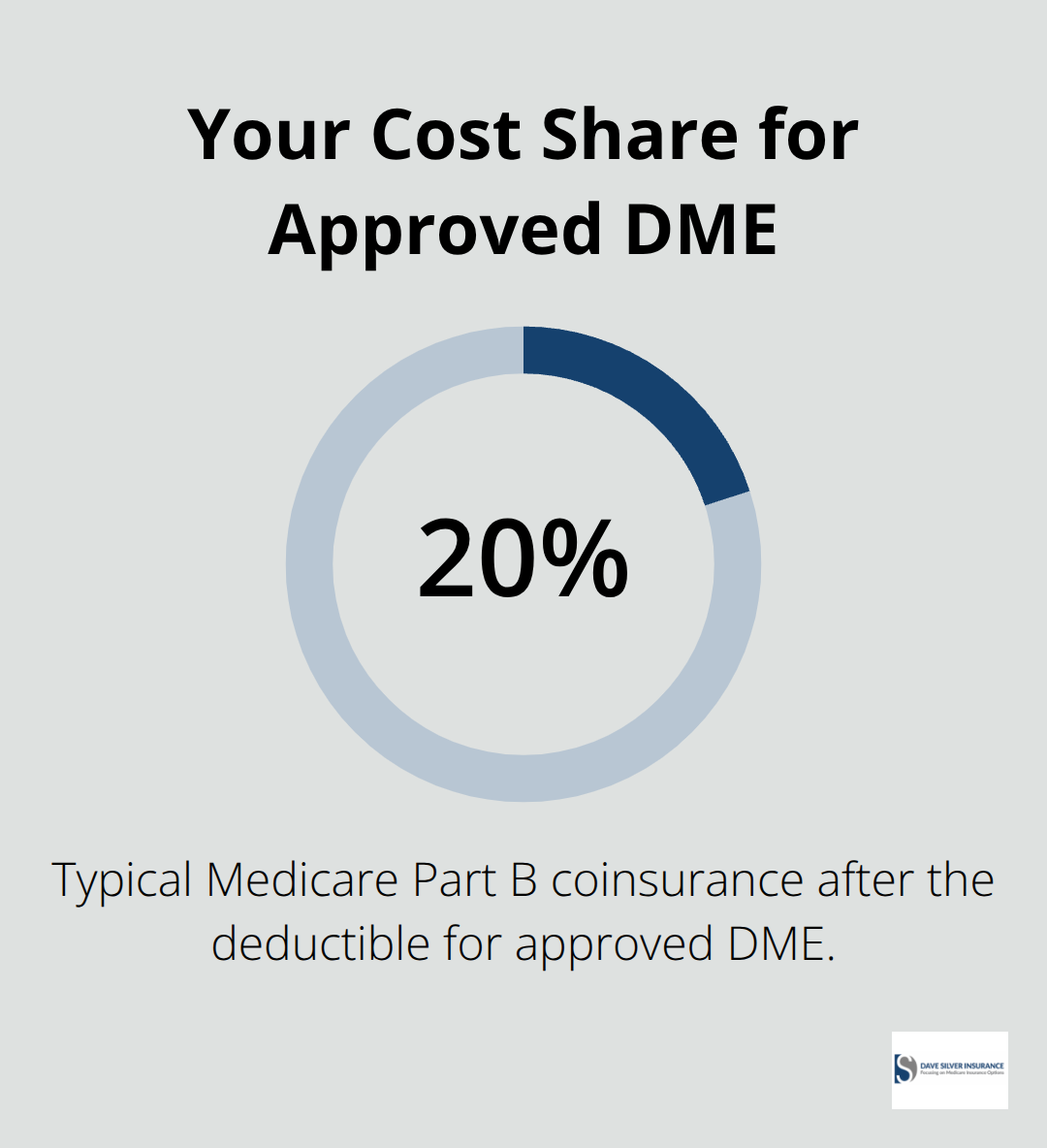
Not every medical equipment store qualifies as a Medicare supplier. You must purchase or rent from a supplier enrolled in Medicare and accepting assignment, which means they bill Medicare directly at the approved rate. Before you buy anything, verify the supplier’s status on Medicare.gov. If a supplier does not accept assignment, you could pay the full cost upfront and wait weeks for reimbursement-or never receive reimbursement if Medicare denies the claim. When Medicare approves DME, you typically pay 20 percent coinsurance after meeting your Part B deductible. Some shower chairs cost $100 to $300, so your out-of-pocket expense might be $20 to $60 after insurance.
Ask the supplier about rental versus purchase options. For some equipment, Medicare allows you to rent for several months, and the rental payments eventually convert to ownership. This protects you if your medical situation changes and you no longer need the chair.
What Happens Next in the Approval Process
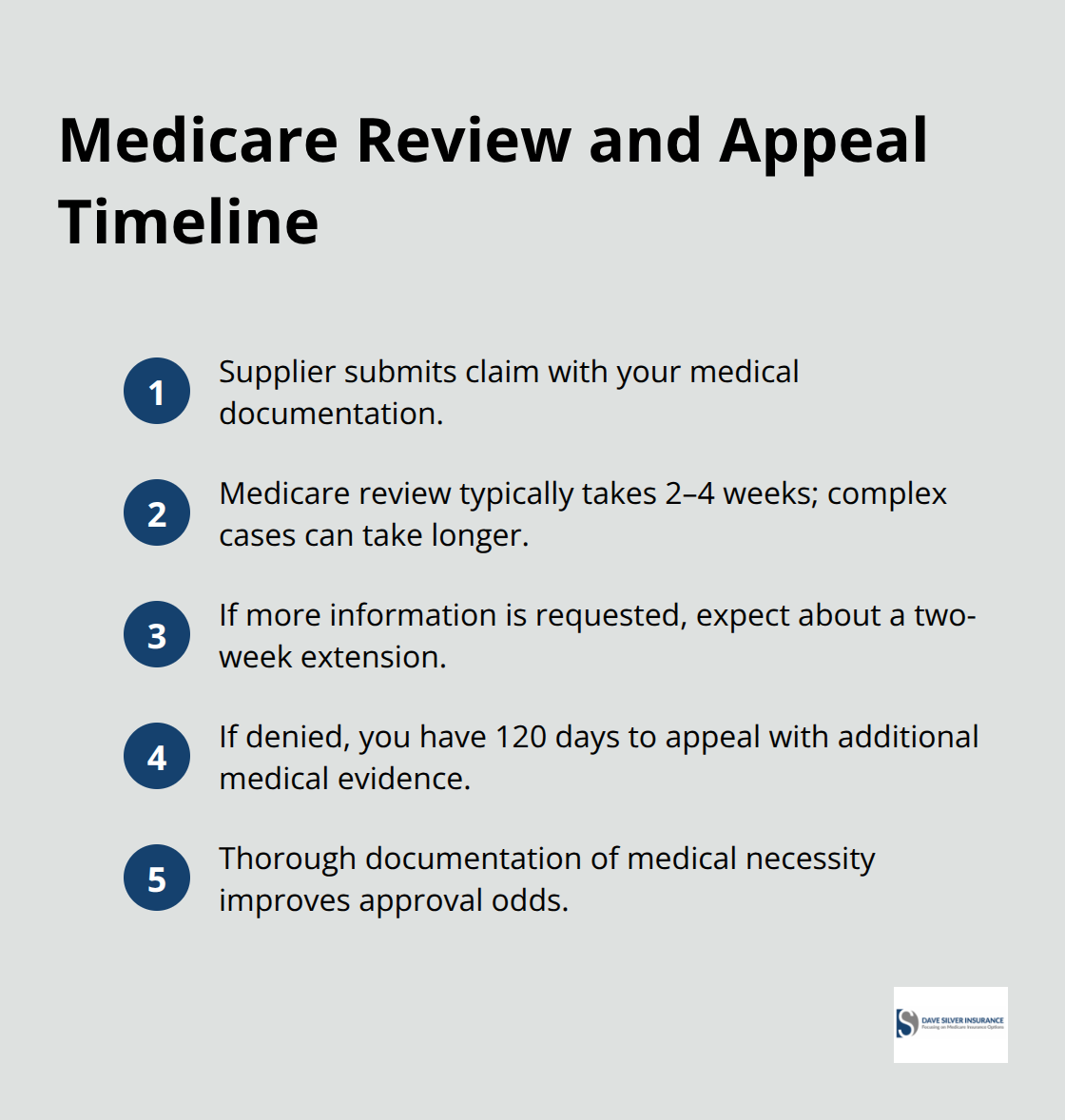
Once you have your prescription and select a Medicare-approved supplier, the supplier submits your claim to Medicare for review. The agency examines whether your doctor’s documentation supports medical necessity and whether the specific shower chair model meets DME standards. This review process typically takes two to four weeks. Medicare may request additional information from your doctor if the initial documentation lacks detail about your condition or why alternatives would not work. If Medicare approves your claim, you receive the equipment and pay your coinsurance. If Medicare denies it, you have the right to appeal the decision within 120 days. Many denials occur because the documentation did not adequately explain medical necessity, which is why your conversation with your doctor matters so much.
Which Shower Chairs Actually Qualify for Medicare
Standard Shower Chairs and Why Medicare Rejects Them
Standard shower chairs sold at drugstores and online retailers almost never qualify for Medicare coverage. These basic plastic or metal seats lack the durability and medical purpose that Medicare requires. Medicare distinguishes between convenience items and genuine durable medical equipment through strict criteria: the item must be durable, designed specifically for someone with an illness or injury, useful for at least three years, and reusable. A $40 plastic shower seat fails on multiple counts because Medicare assumes grab bars or non-slip mats provide adequate safety for most people.
Your specific medical situation determines whether you have any chance at approval. If you have severe balance problems, arthritis that prevents you from lowering yourself safely, or neurological conditions affecting coordination, those details matter enormously in your doctor’s prescription. The difference between denial and approval often comes down to whether your physician can justify why a basic chair would not work for your condition.
Specialized Chairs That Medicare May Cover
Wheeled shower chairs and commode chairs designed for bathing stand a better chance of approval, particularly if your doctor documents that you cannot transfer safely or that your condition requires a specialized seat with armrests and back support. These specialized models demonstrate the durability and medical purpose that Medicare looks for, though approval is never guaranteed. Your doctor must explain in the prescription why you need the additional features-not just that you want them for comfort.
Rental Versus Purchase: The Financial Reality
Rental options typically make more financial sense than purchasing if Medicare approves your claim. When you rent durable medical equipment from a Medicare-approved supplier, your rental payments apply toward eventual ownership after a set number of months (usually around 13 months, depending on the item). This arrangement protects you if your health improves and you no longer need the equipment, since you have not paid the full purchase price upfront.
Your out-of-pocket cost for a rental shower chair runs roughly 20 percent of the Medicare-approved amount per month after your Part B deductible, which could mean $15 to $25 monthly rather than $60 to $120 as a lump sum. However, if your doctor prescribes the chair for permanent use due to a chronic condition, purchasing becomes the better long-term option once you understand the total cost.
Getting Clear Pricing Before You Commit
Ask your Medicare-approved supplier whether they offer both rental and purchase options and request a written estimate for each scenario before proceeding. Some suppliers push purchase because it generates immediate revenue, so you need to ask directly about rental availability and the conversion timeline. Understanding these options upfront prevents surprises when your claim processes and you receive your equipment.
The path forward depends on your medical documentation and your supplier’s capabilities. Once you have clarity on which type of shower chair your doctor will prescribe and which supplier can handle your claim, you need to understand exactly what happens when Medicare reviews your request.
Getting Your Shower Chair Approved by Medicare
Document Your Medical Need Before Meeting Your Doctor
Start by writing down specific instances when you nearly fell in the shower, pain you experience while bathing, or difficulty standing for extended periods. Bring these notes to your appointment and explain why grab bars or non-slip mats alone won’t solve your problem. Your doctor needs concrete reasons to justify the prescription, not vague requests for comfort. Describe your functional limitations in detail: Can you bend safely? Do you lose your balance when wet? Does arthritis or neurological conditions affect your coordination? The more specific your examples, the stronger your doctor’s justification becomes.
Work with Specialists If Your Primary Doctor Resists
If your primary care physician resists writing the prescription, ask directly whether a physical therapist or occupational therapist at their practice can evaluate you and write the prescription instead. These specialists understand fall prevention documentation better and often feel more comfortable prescribing adaptive equipment. A specialist’s evaluation carries significant weight with Medicare because it demonstrates that a medical professional assessed your functional limitations and determined that a shower chair addresses a genuine medical need. Request that your doctor’s office send the prescription directly to the Medicare-approved supplier you select, avoiding the risk of paperwork getting lost in your hands.
Request Explicit Details in Your Prescription
Your prescription must explicitly state your diagnosis, why the shower chair is medically necessary for your specific condition, the expected duration of need, and that it’s for home use. Ask your doctor to include functional limitations that justify a wheeled or specialized shower chair rather than a standard model. Medicare reviewers examine whether the prescription adequately explains medical necessity, so vague language leads to denials. Request a copy of the prescription for your records before your doctor sends it to the supplier.
Select a Medicare-Approved Supplier and Compare Options
Verify on Medicare.gov that any supplier you contact is enrolled and accepts assignment, meaning they bill Medicare directly at the approved rate rather than charging you upfront. Call three suppliers and ask for written estimates showing both the Medicare-approved amount and your estimated 20 percent coinsurance after your Part B deductible. Ask specifically whether they offer rental options and how many months of rental payments convert to ownership, since rental typically costs less monthly than purchasing. Request their average claim processing time-reputable suppliers should process claims within two to four weeks. Once you select your supplier, confirm they received your doctor’s prescription before you proceed.
Navigate the Medicare Review and Appeal Process
Your supplier submits your claim to Medicare along with medical documentation supporting why you need a wheeled or specialized shower chair rather than a standard model. Medicare’s review typically takes two to four weeks, though complex cases may take longer. If Medicare requests additional information from your doctor, this can extend the timeline by another two weeks. If your claim is denied, you have 120 days to appeal by requesting a reconsideration and submitting additional medical evidence. Most denials stem from insufficient documentation of medical necessity, so ask your doctor to provide detailed notes about your specific functional limitations if an appeal becomes necessary.
Final Thoughts
Medicare coverage for shower chairs remains limited under Original Medicare Part B because most standard models fail to meet durable medical equipment criteria. Your best path forward depends on whether your doctor can document a specific medical reason you need a specialized wheeled or commode chair rather than alternatives like grab bars. If Medicare denies your claim, explore Medicaid coverage (which varies by state), VA Home Improvements and Structural Alterations grants (up to $6,800 lifetime for bathroom modifications), Area Agencies on Aging, Lions Club chapters, and Easterseals, which sometimes provide donated equipment or funding for seniors.
Start by scheduling a conversation with your doctor about your specific fall risk and balance concerns, bringing concrete examples of near-falls or bathing difficulties so your physician understands why standard safety measures won’t work for your situation. Once you have a prescription, contact three Medicare-approved suppliers to compare rental versus purchase options and obtain written cost estimates. Verify each supplier’s enrollment status on Medicare.gov before committing, and if you purchase a shower chair for a medically documented condition, the cost may qualify as a tax-deductible medical expense under IRS guidelines.
Some Medicare Advantage plans offer over-the-counter allowances around $500 annually that you can use for bathroom safety devices, though coverage varies by plan. If you need personalized guidance on how Medicare coverage affects your overall healthcare costs and want expert consultation on Medicare Part A, B, C, and D along with Medigap options, contact Dave Silver Insurance for individualized recommendations based on your unique health and financial situation.
Disclaimer: The information provided in this blog is for general informational purposes only and does not constitute legal, financial, or insurance advice. Coverage options, terms, and availability may vary. Please consult with a licensed professional for advice specific to your situation